

Carrying Legacy Forward Through Healing, Leadership, and Community
For Kimberly McNair Brock, Black History Month is both remembrance and responsibility, a time not only to reflect on what Black ancestors endured, but to recognize what they created and contributed to shaping America itself. In her view, this history does not stand apart. “If we consider ourselves Americans, then this history isn’t just Black history, it’s our shared American history,” she explains. The month serves as an invitation for everyone to understand that the nation’s story is incomplete without the voices, labor, brilliance, and resilience of Black people.
That understanding is not abstract for Brock. It is deeply personal. She is the sister of Carol Denise McNair, who was just 11 years old when she was killed in the September 15, 1963, bombing at the 16th Street Baptist Church in Birmingham. Carol Denise McNair was one of four young girls murdered in an act of racial terror that shocked the nation and became a defining turning point in the Civil Rights Movement. The other girls killed were Addie Mae Collins (14), Carole Rosamond Robertson (14), and Cynthia Dionne Wesley (14). Their deaths helped galvanize public support for civil rights legislation and exposed the violent resistance Black Americans faced in their fight for equality.

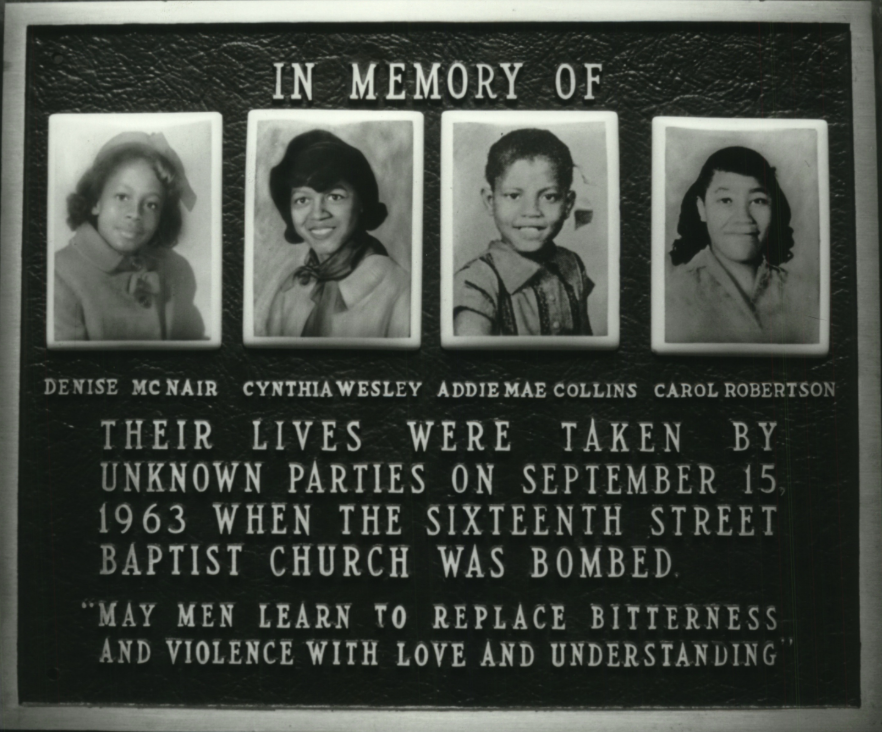
Carrying that history means living with visibility, expectation, and responsibility. “I’m very aware that I carry a banner, one that isn’t always light,” Brock says. Rather than shrinking from it, she has allowed that awareness to shape her into a leader grounded in values. Integrity, compassion, and purpose guide her decisions because she understands that her actions reflect not only her own path, but the lineage she represents.
When Brock speaks about her sister, she shifts the focus from tragedy to humanity. Beyond the history books, she remembers Carol Denise as a joyful child who loved people deeply and instinctively stood up for those who needed support. “She fought for the rights of others with conviction and heart, long before she fully understood the weight of that courage,” Brock says. Stories shared over the years continue to affirm the spirit she witnessed firsthand, bravery rooted in care for others.
That spirit of care now lives on through Bitty’s Living Kitchen, the business Brock built with intention. Created to help people heal through food, physically, culturally, and spiritually, it represents more than nourishment. It stands for resilience, self-determination, and community care. Through food, education, and tradition, she aims to empower others while honoring practices that have sustained generations.
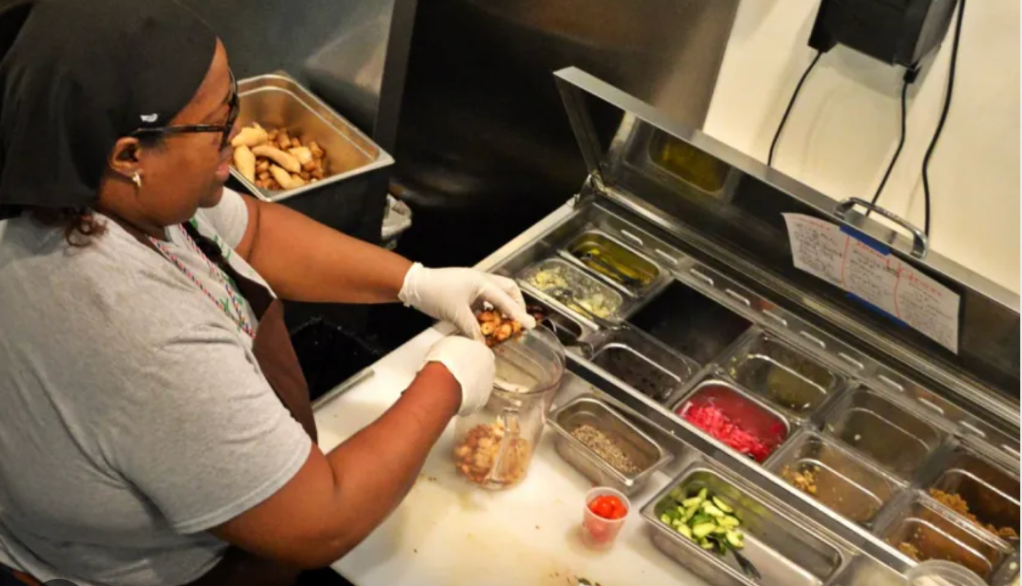
Running the business has required persistence and adaptability, particularly within systems that have not historically supported small Black-owned businesses. Yet community remains central to every decision, from sourcing ingredients to sharing knowledge. Legacy shows up in the commitment to honoring traditional methods of healing while making them accessible and relevant today.
Building something meaningful in Birmingham carries particular weight. Brock acknowledges that the work is not easy, but it is necessary. For her, it means creating pathways for future generations to reconnect with holistic traditions and recognize the wisdom embedded in their past. She hopes what she builds proves that honoring heritage and imagining a better future are not opposing ideas, but complementary ones.
Her advice to young Black entrepreneurs reflects that balance. Dream beyond what is visible. Learn systems without letting them define creativity. Move at your own pace. “Your ideas have value. Your voice matters,” she says. Success does not need to mirror anyone else’s version to be real.


Ultimately, everything Brock builds is anchored in one belief: healing, community, and legacy are inseparable. In honoring the memory of her sister and the other girls whose lives were taken too soon, she continues transforming grief into purpose, showing how remembrance can fuel action and how Birmingham’s history can inspire a more compassionate future.